

- Blog
A Gentler Approach to Movement—Meeting Your Body Where It Is
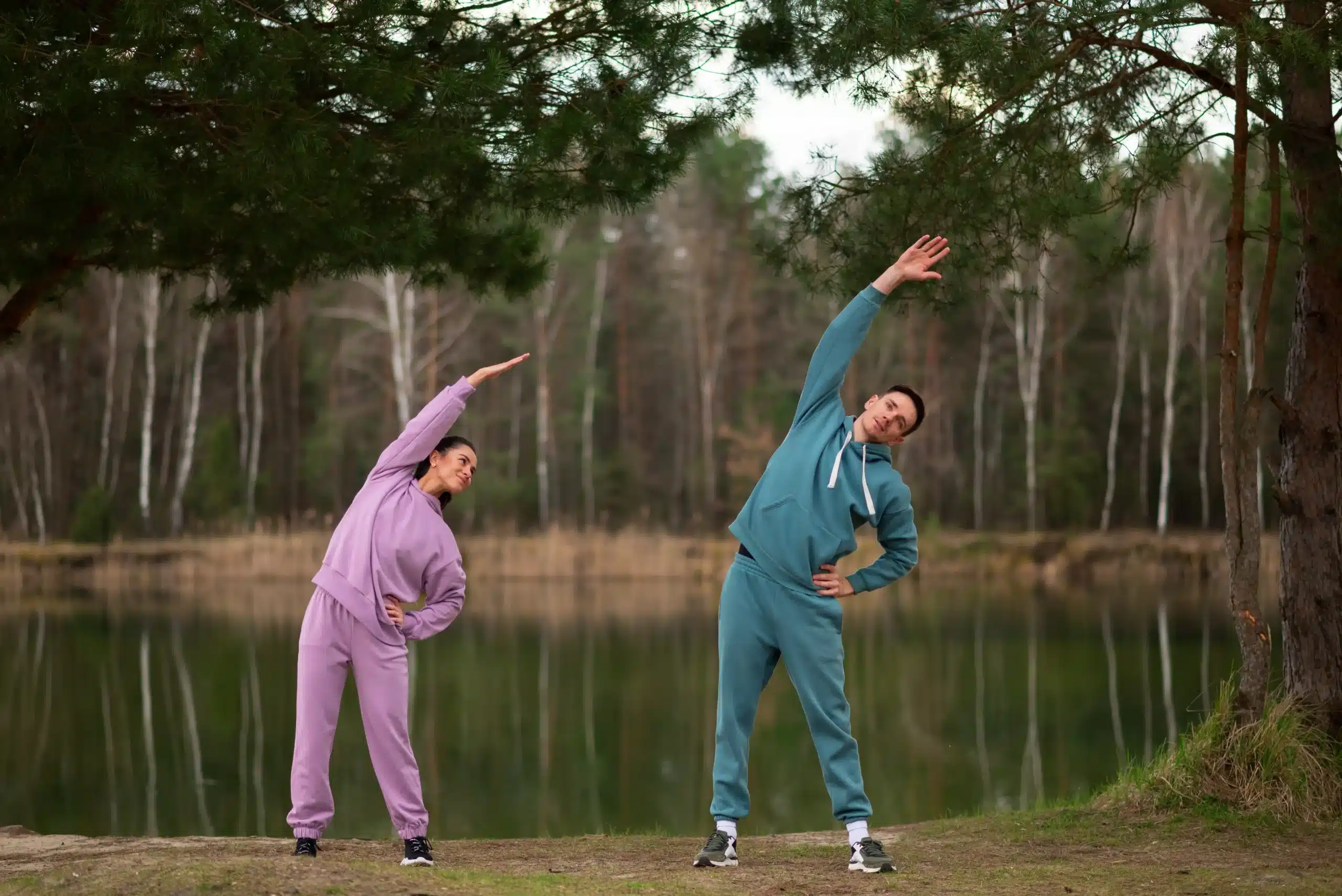
This season, Branz Nutrition Counseling invites you to consider a gentler and widened view of movement to meet you where your body is right now…not a month ago….or next summer, but right now. Here are some prompts to consider. What does your body need right now? What is the function of movement for you, and can you respond to that need differently? Can you give yourself permission to rest as a supportive measure, not a critical one?
Evaluating Your Relationship With Movement in the New Year
As the new year begins, conversations about exercise often become more persistent and more prescriptive, focusing on external stimuli rather than internal ones. For many people, this can bring up critical feelings about ourselves – especially after the holidays.
Check in and observe if these beliefs resonate with you:
- Do I feel like I need to earn food with movement, or “correct” what I enjoyed eating over the holidays?
- Do I feel increased stress or anxiety when winter weather limits my ability to move outdoors?
- Do I push myself to exercise in the cold or dark anyway, even when it may be unsafe or exhausting?
- Or, on the other hand, do I dread being “stuck” with at-home workouts?
- Do I feel “lazy,” “guilty,” or “undisciplined” when I don’t have an exercise plan?
These types of thoughts are often rooted in diet or wellness culture. As winter is ramping up for us Midwesterners, outdoor movement may become less accessible, and these beliefs can feel louder. You do not need to respond in the same ways that you may have in the past, rather we offer you new ways to consider shifting your relationship with movement and exercise.
Broadening What “Counts” as Exercise
When we hold a narrow definition of exercise that is often viewed as if it is on a pedestal, it becomes harder to stay connected to our body and what movement supports that when life or weather changes happen.
Broadening our idea of what “counts” as movement allows for flexibility, and flexibility helps make movement more sustainable and enjoyable. Movement doesn’t have to look the same in January as it does in other times of the year to still be supportive. Begin writing down a list for a movement menu that expands on different types of movement for different seasons, energy levels, or body needs. Gentle stretching, household tasks, restorative or yin yoga, dancing in your living room, or even choosing rest can all be valid ways of caring for your body. None of these need to be justified or measured to “count.”
Listening to the Function of Movement, and Giving Permission to Rest
Rather than seeking a specific exercise plan, it can be more supportive to ask: What is my body needing right now? Movement often serves a purpose beyond physical fitness. It can help manage stress, feel grounded, connect socially or with nature, and/or maintain a sense of routine.
When winter limits access to your usual forms of movement, you can explore other ways to meet those same needs. If outdoor walks during fall and spring help reduce anxiety, consider finding ways to incorporate breathwork, gentle indoor movement, or even rest with a warmie or under a heated blanket that may offer similar support. This shifts movement away from obligation and instead moves you toward responsiveness.
It’s also important to recognize that winter often brings lower energy and a greater need for rest. Rest is a biological and supportive practice. Giving yourself permission to rest or explore a new way to view movement/exercise isn’t giving up on your health, rather it’s listening to your body and responding intentionally.
Gentle Prompts to Explore
As you move through winter, you might reflect on:
- What does my body need today? – Movement, rest, connection, or something else?
- When I feel an urge to exercise, is it rooted by care or by worry and anxiety?
- Can I allow my movement to change with the season rather than forcing it to stay the same?
Winter doesn’t have to be a season of adding more movement that you may not even enjoy. It can be a season of listening, adapting, and honoring the many ways your body knows how to take care of itself.
Our St. Louis area dietitians specialize in pediatric nutrition counseling and eating disorder treatment.
- Recent Post



- Category
- Allergy Nutritionist
- Anorexia Nervosa Dietitian
- ARFID – Picky Eating
- Binge Eating Disorder – BED
- Body Image Dietitian
- Bulimia Treatment
- Celiac Dietitian
- Child Nutritionist
- Diabetes Nutritionist
- Dietitian Nutritionist Tips
- Digestive Health Nutritionist
- Disordered Eating Treatment
- Eating Disorder Treatment
- Eating Disorders in Athletes
- Eating Disorders in Teens
- Emotional Eating Therapy
- Fertility Dietitian
- HAES Dietitian
- Holistic Nutritionist
- Intuitive Eating Dietitian
- Male Eating Disorder Treatment
- No-Diet Dietitian
- Outpatient ED Treatment
- Outpatient Medical Nutrition Therapy
- Overeating
- PCOS Nutrition Therapy
- Pregnancy – Postpartum Dietitian
- Sports Nutrition
- Uncategorized