
Eating Disorder Recovery in Athletes
Eating Disorder Treatment in Athletes & Sports with RDNs in the St. Louis Area, Missouri, and Illinois
Medical Nutrition Therapy for Athletes Struggling with Anorexia, Bulimia, Orthorexia, ARFID, Disordered Eating, and Other Eating Disorders
What are eating disorders in athletes?
Eating disorders can look different in the athletic population largely due to the extra physical demands and performance requirements of the sport. Because athletes are influencing the energy availability balance differently than the less active individuals, they have different nutrition requirements regardless if there is an eating disorder/disordered eating present.
Do athletes have a higher rate of eating disorders?
Yes, the athletic population does have an increased risk of developing an eating disorder due to certain vulnerabilities such as…
- Extra focus on the body as a vehicle for performance
- Extra focus on food to fuel the body
- Participating in a sport that is appearance-oriented
- Drive to be “perfect” and “disciplined”
- Poor coaching styles that are preoccupied with leanness

What sport is most likely to have an eating disorder?
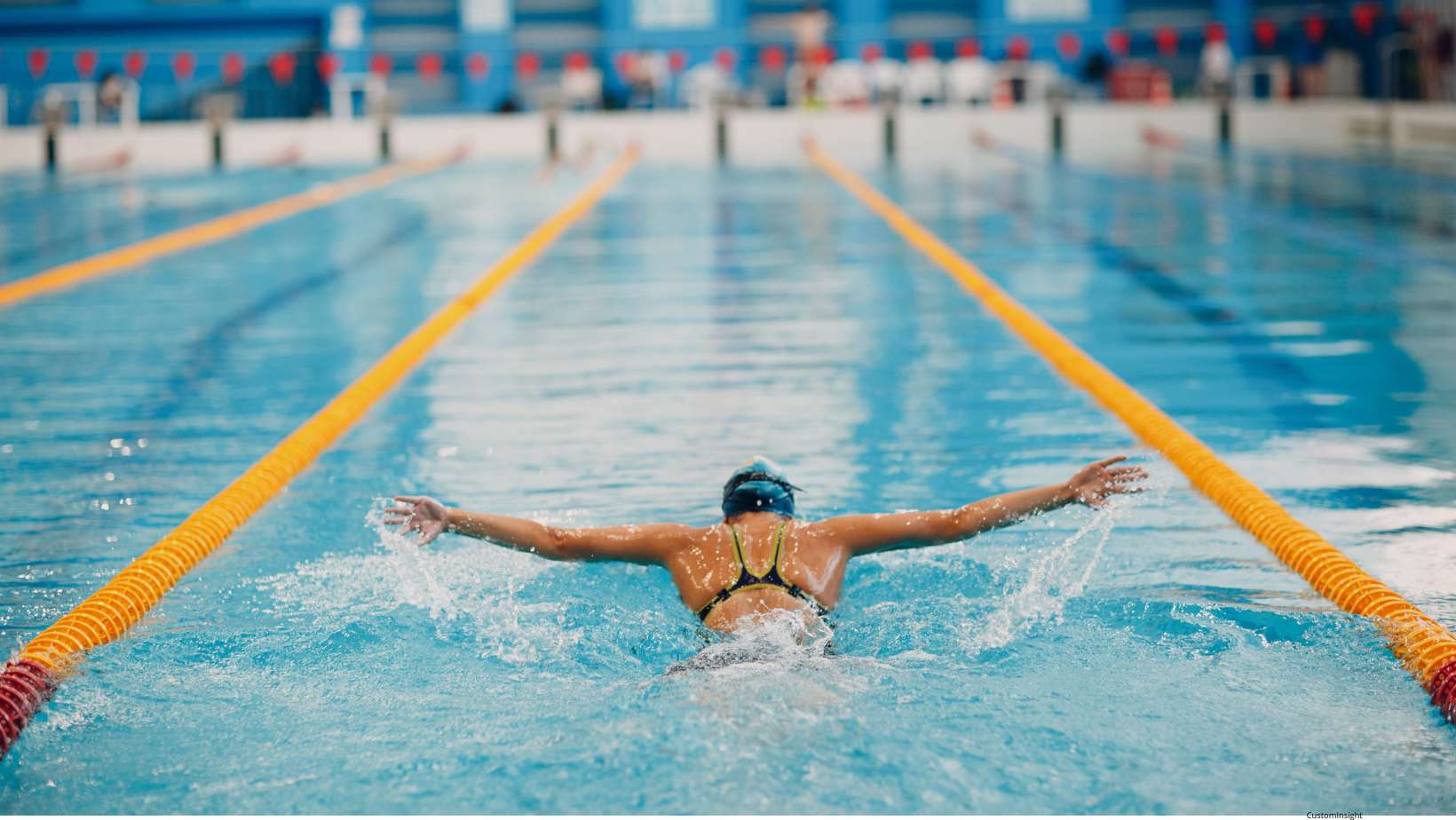
Eating disorders can affect anyone and all athletes. However, research shows an increased risk for those participating in sports that have a focus on aesthetic, weight, and leanness. Some examples would be (but not limited to) dance, gymnastics, wrestling, swimming, endurance sports, bodybuilding, rowing, and so forth.
How to Prevent Eating Disorders in Athletes?
Preventing eating disorders in athletes requires a collaborative effort between coaches, families, and athletes themselves. Here are some tips for coaches and families:
For Coaches:
- Promote a body positive image
- Provide education
- Monitor training load
- Create a supportive environment
- Lead by example
For Families:
- Encourage balanced eating
- Promote body positivity
- Be attentive to changes (in your child’s weight, behaviors around food, and eating habits).
- Communicate
It is important to note that an individual who has dedicated themselves to a sport generally will take on the identity of an athlete. Therefore, athletes often strongly care about their body as a vehicle for their performance.
If you believe you or someone you love is struggling with an eating disorder, seek professional support from a qualified healthcare professional, including a registered dietitian and mental health counselor.
Our athletes are met with compassion to help find a balance with their health and performance. We provide online and in-person outpatient nutrition therapy. We believe recovery is possible.
Treatment for Eating Disorders and/or Disordered Eating in Athletes
We provide eating disorder care for everyBODY.
A dietitian nutritionist is a fundamental piece of your recovery team. As expert eating disorder dietitians in the St. Louis area, we work with patients to guide them toward healing their relationship with food and body. We offer virtual nutrition counseling, or face-to-face appointments in our Illinois and Missouri offices.
Here’s what you can expect:
Assessment and Individualized Planning
We assess your diet, eating behaviors, and triggers. Many with bulimia nervosa have nutrient deficiencies because of inadequate intake of food or purging behaviors. Medical Nutrition Therapy can help address these deficiencies through individualized diet plans and, if necessary, supplementation.
Normalization of Eating Patterns
One of the primary goals is to establish regular and balanced eating patterns. This may involve structured meal plans with adequate energy intake to support physical health and recovery.
Nutritional Education
Nutrition education is a big part of our recovery program. Teaching about healthy eating habits and the role of different nutrients in the body is crucial. This can help you develop a better understanding of your nutritional needs and fosters a positive relationship with food. Food is neither an enemy or a reward. It simply is.
Ongoing Support
Ongoing support is essential throughout the treatment process. This may include regular check-ins with your ED dietitian to track progress, address challenges, and make any necessary adjustments to the nutrition plan. We recommend our ongoing recovery coaching.
Meal Planning and Food Challenges
For anyone struggling with bulimia, meals, grocery shopping, and food can be overwhelming. Meal planning and exposure to feared foods or situations are often incorporated into treatment to help you overcome restrictive or binge-purge behaviors and develop a more flexible and balanced approach to eating.
Collaboration with Other Treatment Providers
We work closely with your interdisciplinary team of therapists, psychiatrists, and other members of the treatment team to ensure a coordinated approach to care. This may involve sharing progress reports, coordinating interventions, and addressing any underlying psychological issues that contribute to disordered eating behaviors.
Our goal is to help you restore your relationship with food and body, develop sustainable habits, and support you through your recovery process.
Branz Nutrition’s Treatments for Eating Disorders in Athletes




Eating Disorders Treatment Services
- ADHD And Eating Disorders
- Anorexia Nervosa Nutrition Therapy
- Autism ED Counseling
- Binge Eating Disorder Specialist
- Bulimia Nervosa Nutrition Therapy
- Disordered Eating Recovery
- Eating Disorders In Teens
- Eating Disorder Recovery In Athletes
- Family-Based Treatment
- Eating Disorders In Male Athletes
- OCD ED Dietitian
- Online ED Treatment
- Orthorexia Nervosa Treatment
- OSFED Treatment & Nutrition Therapy
- Picky Eating And ARFID
- Treatment For ED During Pregnancy
Recent Post