
PMOS Dietitian
PMOS Treatment with a Dietitian Nutritionist in the St. Louis Area, Missouri, and Illinois

Improve insulin sensitivity, balance hormones, boost energy, support skin health, optimize fertility, and regulate menstrual cycles—with expert dietitian support.
What is PMOS (formerly PCOS)?
Polyendocrine Metabolic Ovarian Syndrome (PMOS), formerly PCOS: A common hormonal and metabolic condition that can affect menstrual cycles, ovulation, insulin sensitivity, skin, and reproductive health. The updated name reflects that the condition involves multiple hormonal and metabolic systems and is not defined by ovarian cysts.
What are common symptoms of PMOS?
Irregular Periods: Women with PMOS often have infrequent, irregular, or prolonged menstrual cycles.
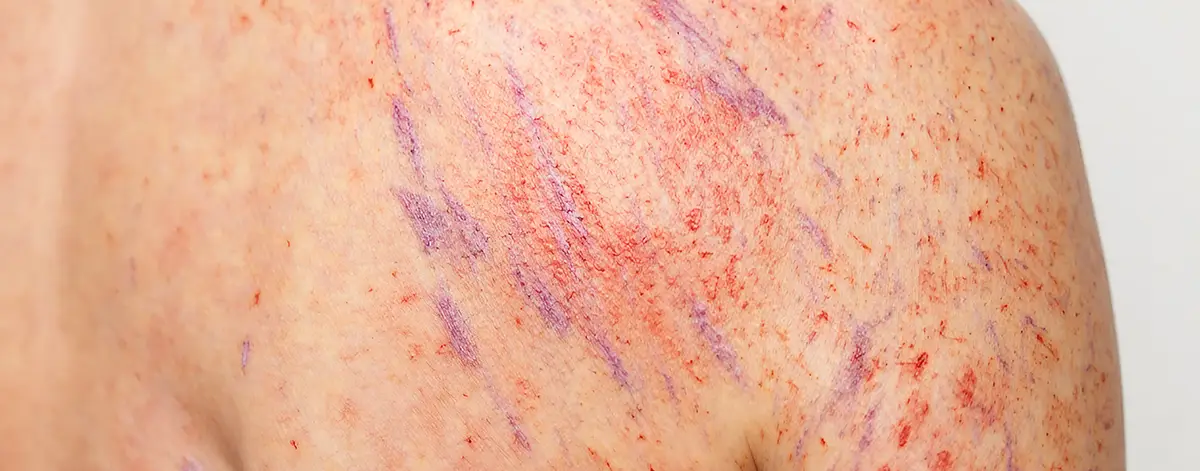
Excess Androgen: Elevated levels of male hormones (androgens) can lead to physical signs such as excess facial and body hair (hirsutism), severe acne, and male-pattern baldness.
Polycystic Ovaries: The ovaries might be enlarged and contain numerous small fluid-filled sacs (follicles) that surround the eggs. Despite the name, not all women with PMOS have cysts on their ovaries.
Other Serious Health Problems: Type II diabetes, heart disease, high cholesterol, high blood pressure, and endometrial cancer are all associated with PMOS. It is the most common cause of anovulation and the leading cause of infertility. Often, women who struggle with PMOS struggle with body image.
Though there is no cure for PMOS, by working with an expert dietitian nutritionist from our team, either with our online telehealth platform or in-person at our nutritionist offices near St. Louis, you can implement sustainable dietary interventions, improve your eating habits, and learn to manage symptoms related to PMOS. We also work with patients to improve their relationship with food and their body and improve their body self-esteem.
What causes PMOS?
Unfortunately, there is no direct answer to this. It is assumed that genetics and environmental factors play a part. Several risk factors are believed to contribute to its development, including:
Hormonal Imbalance: Women with PMOS often have elevated levels of androgens (male hormones), which can interfere with the development and release of eggs during ovulation.
Insulin Resistance: Many women with PMOS have insulin resistance, meaning their bodies do not use insulin effectively. This can lead to higher insulin levels, which may increase androgen production and cause difficulty with ovulation.
Low-Grade Inflammation: Research suggests that women with PMOS often have low-grade inflammation, which can stimulate polycystic ovaries to produce androgens.
Genetics: PMOS can run in families, suggesting a genetic component. If your mother or sister has PMOS, you might have a higher risk of developing it.
Nutrition Choices: A diet high in refined carbohydrates, can exacerbate insulin resistance and hormonal imbalances, contributing to the development and severity of PMOS symptoms.
As dietitian nutritionists, we provide outpatient nutrition therapy to help our patients manage and treat PMOS through sustainable dietary interventions. So many women feel dismissed by the medical community. Your symptoms are not in your head, and with some modifications to your diet, you can start to feel better.
Make an appointment with your personal nutritionist, and receive evidence-based medical nutrition therapy either online or in-person at our offices in Missouri and Illinois.

What is the treatment for PMOS?
Most doctors will come in and recommend weight loss as the first form of treatment to PMOS. We cringe at this! Ugh! While some may be successful at weight loss in the beginning in a desperate attempt to control the symptoms, it can often backfire and cause further disordered eating patterns or a full-blown eating disorder.
In our practice, we like to take the intuitive eating, health at every size (HAES) approach when it comes to PMOS, work on offering a balance of nutrition and “fun foods” and mindful movement. We also recommend a team approach with having a HAES therapist and OB/GYN.
Fertility & PMOS – Can I get pregnant with PMOS?
While we can’t promise anything, most women with PMOS are still able to conceive with the help of medications to induce ovulation. Anxiety around trying to conceive can definitely be high, and therefore, we like to help our clients to lessen their anxiety related to eating by helping them implement strategies to normalize their eating patterns and feeling confident in their skin so they can worry less about food and more about preparing for a sweet baby.
A healthy diet preconception will always benefit any woman who is preparing for pregnancy.
PMOS Online Resources

Women’s Hormone Health Challenge
This holistic challenge empowers women to naturally rebalance their hormones.
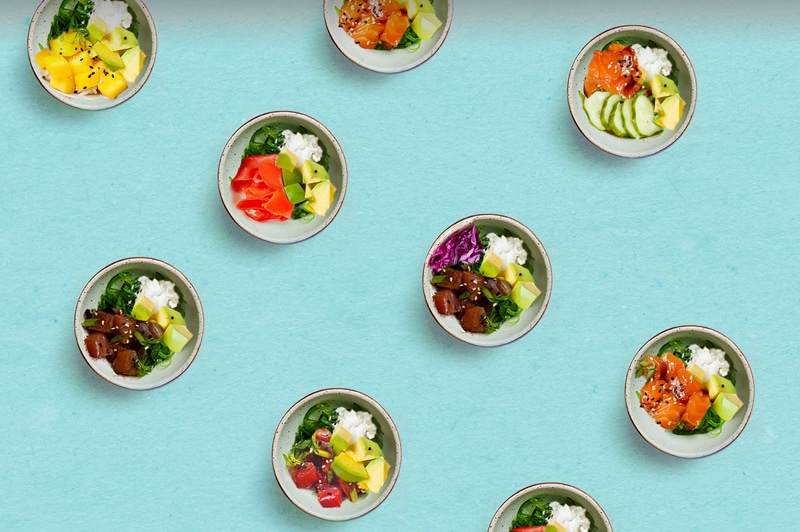
PMOS Meal Plan: Carnivore
Fuel your body and balance your hormones with these delicious meals.
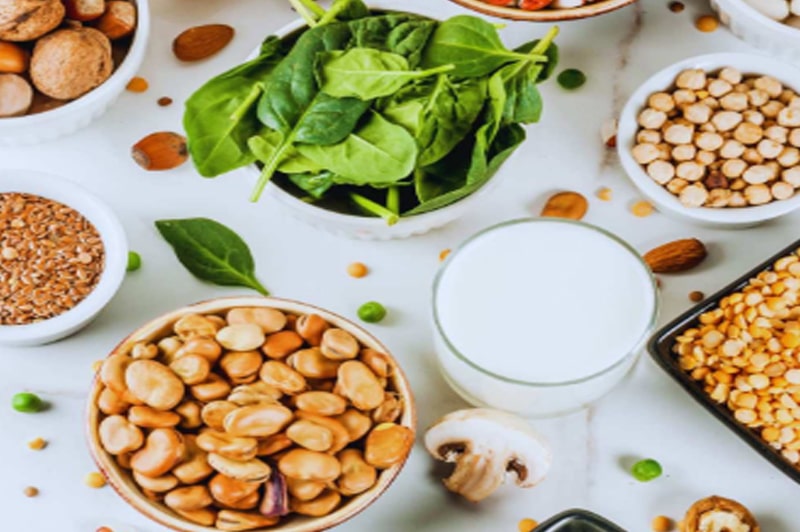
PMOS Meal Plan: Vegetarian
The meat-free way to fuel your body, balance your hormones, and nourish your life.
How to manage PMOS with diet and nutrition
Our approach at Branz Nutrition is to prioritize a sense of calmness around foods with an intuitive eating approach, putting weight loss on the back burner and working to nourish the body with a variety of foods removing the label of “good” versus “bad” food.
What does a dietitian do for PMOS?
A dietitian in our practice can help by challenging any food rules or beliefs one may have when it comes to nourishing their body with PMOS, working to squash diet culture beliefs, while improving confidence in our bodies with mindful movement. Your body is not broken, our society and diet culture is. Here’s how we can help:
Personalized Meal Plans: We can help create individualized meal plans that focus on balanced nutrition, taking into account specific needs, your favorite flavors and family traditions, and health conditions.
Blood Sugar Control: Education is key. We empower you to choose foods that help stabilize blood sugar levels, including high-fiber foods, lean proteins, and healthy fats. This is important since many women with PMOS have insulin resistance.
Anti-Inflammatory Foods: Again, by incorporating a variety of foods that reduce inflammation, such as fruits, vegetables, whole grains, and fatty fish, we can help you manage PMOS symptoms.
Reducing Processed Foods: There are no “good foods” and “bad foods”. It’s important to choose foods that nourish us. So, yes, enjoy your fries and indulge every now and again. Modify and moderate. By reducing processed and high-sugar foods, you can help manage insulin resistance and hormonal imbalances.
Healthy Eating Habits: It’s not only WHAT we eat but HOW we eat that makes a difference in our health and well-being. This is where intuitive eating comes in. We promote regular meals and snacks to help maintain stable blood sugar levels and prevent overeating.
Nutritional Education: We will educate you about key nutrients to improve your PMOS symptoms that can support hormone balance and overall health. You will become a master of food label reading (even in your cosmetics).
Support and Monitoring: A PMOS nutritionist will provide ongoing support in order to adjust dietary plans as needed. We are also here to provide you with the emotional support you need to keep motivated and adhere to dietary changes.
By working with a PMOS dietitian, women with PMOS can better manage their symptoms, improve their quality of life. Reduce the risk of associated health problems like diabetes and heart disease, improve your relationship with food and body, implement intuitive eating practices, and begin to feel better today.
Medical Nutrition Therapy Services
- Body Image
- Body Positive
- Celiac Disease
- Dancer Nutritionist
- Diabetes
- Personalized Meal Plans
- Emotional Eating
- Fertility Dietitian
- Gastrointestinal Nutritionist
- Gestational Diabetes
- HAES Dietitian
- IBS Nutritionist
- Intuitive Eating Dietitian
- Mindful Eating
- No Diet Dietitian
- PMOS Dietitian
- Pediatric Nutritionist
- Plant-Based Vegan Vegetarian
- Pregnancy & Postpartum
- Sports Nutritionist
- Weight Gain
- Weight Management
Recent Post