
- Blog
Heart-Healthy Eating Without the Food Rules
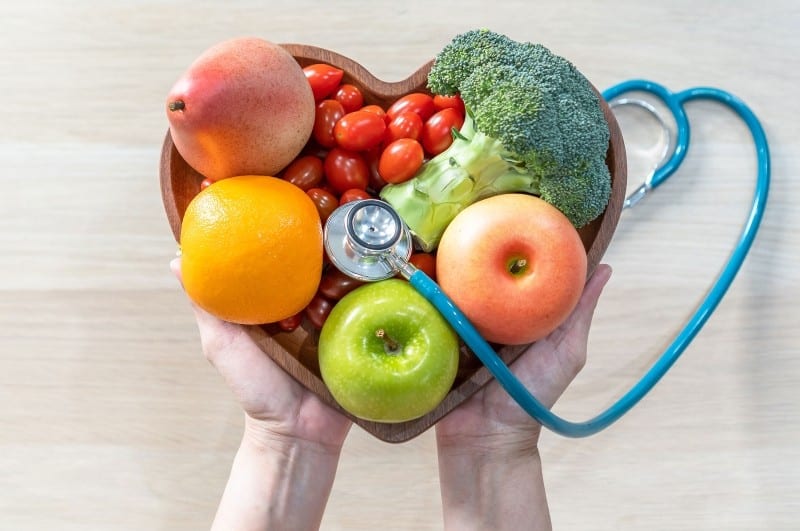
“Heart-healthy” advice often arrives as a list of don’ts: no salt, no fat, no fun at the table. If eating for your heart sounds like starting another diet, you are not imagining it. The science tells a better story.
What the research says
Heart health touches most of us. The CDC reports that about half of U.S. adults have at least one of the top three risk factors for heart disease: high blood pressure, high cholesterol, or smoking. The American Heart Association’s dietary guidance emphasizes overall eating patterns over single foods or nutrients. Patterns built around vegetables, fruits, whole grains, beans, fish, nuts, and plant oils like olive oil are linked with better heart outcomes. Notice what that is: a pattern of what you eat, not a list of what you ban.
The limits
Much of this evidence is observational, so it shows associations, not guarantees. And your labs, medications, and history are your own, which is why generic internet heart advice only goes so far.
Why the diet version falls short
Here is what the diet version leaves out. Reviews of weight-focused approaches find that most diets do not keep weight off long-term and can leave people preoccupied with food and stuck in lose-and-regain cycles. Weight-neutral approaches like Health at Every Size have their own evidence: in randomized trials, they improved blood pressure, cholesterol, eating habits, and mood, without weight loss as the goal.
A kinder way to eat for your heart
That means you do not have to fear food to care for your heart. An intuitive eating approach focuses on adding rather than taking away: satisfying meals, more plants and fish where they fit, movement you actually enjoy, sleep, and stress care. Pleasure and heart health are not enemies.
When it is time to get support
If you are living with high cholesterol, high blood pressure, diabetes, a strong family history, or a new heart diagnosis, and food has started to feel stressful or confusing, you do not have to figure it out alone. Support can make heart care feel doable instead of punishing.
At Branz Nutrition Counseling, our dietitians offer weight-inclusive cardiac nutrition support that works with your life, not against it. Schedule a visit at branznutritioncounseling.com.
This post is for general education only and is not medical or nutrition advice. It does not replace care from your own physician or registered dietitian. If you have a medical condition or concerns about your heart health, please talk with your care team.
- Recent Post
- Category
- Allergy Nutritionist
- Anorexia Nervosa Dietitian
- ARFID – Picky Eating
- Binge Eating Disorder – BED
- Body Image Dietitian
- Bulimia Treatment
- Celiac Dietitian
- Child Nutritionist
- Diabetes Nutritionist
- Dietitian Nutritionist Tips
- Digestive Health Nutritionist
- Disordered Eating Treatment
- Eating Disorder Treatment
- Eating Disorders in Athletes
- Eating Disorders in Teens
- Emotional Eating Therapy
- Fertility Dietitian
- HAES Dietitian
- Holistic Nutritionist
- Intuitive Eating Dietitian
- Male Eating Disorder Treatment
- No-Diet Dietitian
- Outpatient ED Treatment
- Outpatient Medical Nutrition Therapy
- Overeating
- PCOS Nutrition Therapy
- Pregnancy – Postpartum Dietitian
- Sports Nutrition
- Uncategorized