

- Blog
Packing Your Dorm Room for Recovery: 20 Snack Ideas That Support Healing
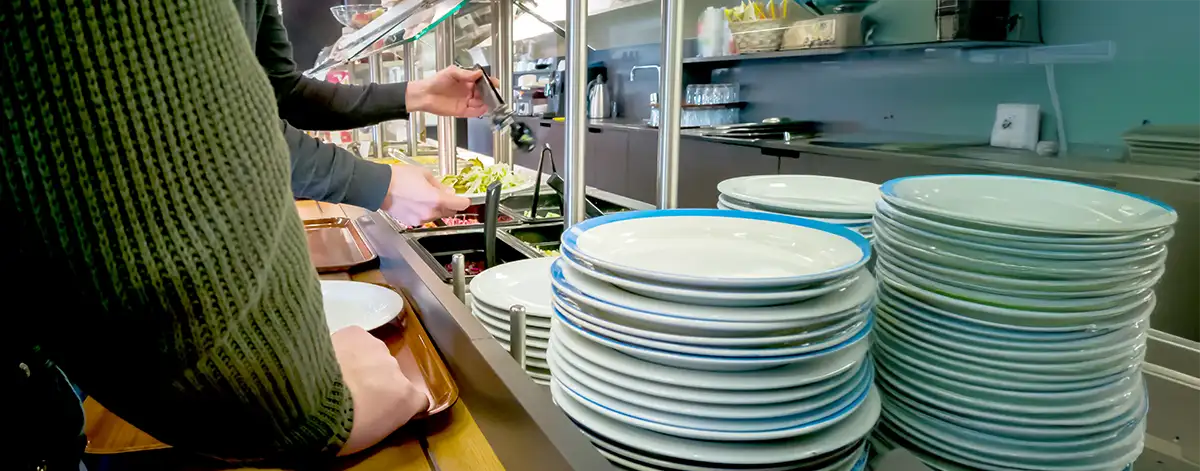
If you’ve ever stood in front of a dining hall station feeling completely frozen, you’re not alone. Between the endless stations, the menu that changes every day, the rush of people during peak hours, and the friend at the next table talking about “being good” or “earning” their pasta, it’s a lot. And if you’re rebuilding your relationship with food or working through eating disorder recovery, it can feel like the dining hall was designed to make you anxious.
Here’s the thing, though: your dining hall doesn’t have to stay a source of stress. With some practice and the right support, it can actually become a place where you build confidence around food, not despite the chaos, but because you’ve learned to navigate it on your own terms.
The Dining Hall Isn't a Test You Can Fail
A lot of students walk in feeling like they need to build the “correct” plate, like there’s a right answer hiding somewhere between the salad bar and the pasta station. But recovery was never about getting it perfect. It’s about showing up for your body consistently, meal after meal, even when that looks different every single day.
So instead of scanning the room and asking “what’s the healthiest thing here?,” try shifting the question entirely:
- What actually sounds good to me right now?
- What’s going to get me through my 2pm class without crashing?
- What would make me feel steady and satisfied, not just “fed”?
These aren’t just softer questions, they’re the foundation of intuitive eating. They put you back in the driver’s seat instead of handing that control over to diet rules.
What a Balanced Plate Actually Looks Like
Most dining halls give you more flexibility than it seems at first. A meal that keeps you full and focused usually has a mix of:
- Carbs for energy (yes, actually eat the pasta, the rice, the bread)
- Protein for satisfaction and recovery
- Fat for fullness and brain function
- Fruits or veggies when they sound good to you
Some days that balance comes together easily. Other days it won’t, and that’s fine too, one meal isn’t a referendum on your recovery.
Diet Culture Is Loud in College. You Don't Have to Listen.
You will hear it, the roommate skipping breakfast, the friend calling fries “bad,” someone bragging about how little they ate today. College dining culture is soaked in this stuff, and it can be genuinely hard to tune out.
But none of that has to become your internal voice. Food isn’t good or bad, it’s just food. The more flexibility you can build around it, the more that flexibility becomes proof that you’re healing.
Skipping Meals Happens by Accident. Guard Against It.
Between back-to-back classes, studying, and just plain forgetting, it’s easy to unintentionally go five or six hours without eating. That kind of gap tends to backfire, physically and mentally.
Eating on a regular rhythm helps you:
- Keep steady energy through the day
- Actually concentrate in class
- Avoid the extreme hunger that can spiral into overeating or panic
- Support your recovery long-term
If your schedule is chaotic (whose isn’t?), set a phone reminder for meals during the first few weeks until it becomes second nature.
Asking for Help Is NOT a Setback.
If dining hall meals still feel like a minefield, reaching out for support isn’t admitting defeat, it’s one of the smartest moves you can make. A dietitian who specializes in eating disorders can help you work through meal planning, dining hall anxiety, body image struggles, and everything else that comes with navigating food while also, you know, being a full-time student.
College Eating Disorder Support in St. Louis & the Metro East
At Branz Nutrition Counseling, we work specifically with college students navigating eating disorder recovery alongside the demands of academics and campus life. Whether you’re at SIUE, SLU, WashU, McKendree, Webster, Lindenwood, SWIC, or another school in the area, our registered dietitians are here to help you find your footing.
We offer in-person appointments at our Illinois and Missouri offices, plus secure telehealth sessions, so you’re supported no matter where you’re living during the school year.
Recovery doesn’t pause when the semester starts. Neither do we.
Our St. Louis area dietitians specialize in pediatric nutrition counseling and eating disorder treatment.
- Recent Post


- Category
- Allergy Nutritionist
- Anorexia Nervosa Dietitian
- ARFID – Picky Eating
- Binge Eating Disorder – BED
- Body Image Dietitian
- Bulimia Treatment
- Celiac Dietitian
- Child Nutritionist
- Diabetes Nutritionist
- Dietitian Nutritionist Tips
- Digestive Health Nutritionist
- Disordered Eating Treatment
- Eating Disorder Treatment
- Eating Disorders in Athletes
- Eating Disorders in Teens
- Emotional Eating Therapy
- Fertility Dietitian
- HAES Dietitian
- Holistic Nutritionist
- Intuitive Eating Dietitian
- Male Eating Disorder Treatment
- No-Diet Dietitian
- Outpatient ED Treatment
- Outpatient Medical Nutrition Therapy
- Overeating
- PCOS Nutrition Therapy
- Pregnancy – Postpartum Dietitian
- Sports Nutrition
- Uncategorized